
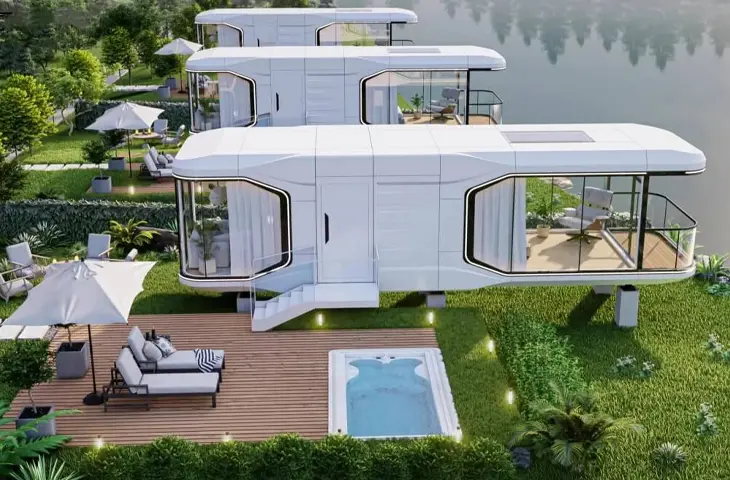
In today’s world, where affordable housing and sustainable living are at the forefront of many people’s minds, the idea of building a capsule house has gained increasing popularity. These compact, modular homes offer an innovative solution to the growing demand for affordable, eco-friendly housing. Whether you’re looking to downsize, create a vacation rental, or invest in a sustainable business venture, building your own capsule house can be a rewarding project.
At PodVoyager, we specialize in designing and building capsule houses that are customizable, sustainable, and easy to assemble. In this article, we’ll walk you through the step-by-step process of building your very own capsule house, from planning and design to the finishing touches.
Introduction: Why Build a Capsule House?
A capsule house is a small, modular home designed to be space-efficient, cost-effective, and eco-friendly. These homes are ideal for those who want to reduce their carbon footprint while maintaining the comforts of modern living. With increasing interest in sustainable housing and minimalist living, capsule homes have become an attractive option for homeowners, digital nomads, and businesses alike.
Building a capsule house offers several benefits, including:
- Affordable construction compared to traditional homes.
- Energy-efficient and low-maintenance design.
- Flexible and customizable layouts.
- Ideal for remote locations, disaster relief, or temporary housing.
In this guide, we’ll take you through the steps of building a capsule house, whether you’re a DIY enthusiast, a small business owner, or someone looking to build a home for personal use.
Step 1: Planning and Design
The first step in building your capsule house is thorough planning and design. Proper planning ensures that you are well-prepared for the project and can make informed decisions about materials, layout, and budget.
How Much Space Do You Need?
Before you begin the design process, consider how much space you need and the purpose of your capsule house. For example, if you’re building a vacation rental, you might want to maximize the number of sleeping spaces and focus on comfortable amenities. On the other hand, if you’re building a remote workspace, you may prioritize privacy and office features.
Choosing the Right Features
Think about the features you want to incorporate into your capsule house. Key considerations include:
- Sleeping areas: Do you want a multi-functional space that can easily convert between living and sleeping?
- Kitchen and bathroom facilities: How much space will you need for cooking and bathroom usage?
- Sustainability: Will you be using solar panels or rainwater collection systems?
DIY Plans or Professional Design?
If you’re a DIY enthusiast, you might want to explore DIY capsule house plans. Many online resources offer pre-designed kits that provide detailed instructions and materials for building your capsule house. However, if you want a more customized approach, consider working with a professional designer or builder.
At PodVoyager, we offer customized design services, ensuring your capsule house is tailored to your unique needs.
Step 2: Sourcing Materials
Once you’ve completed the planning phase, it’s time to source the materials needed to build your capsule house.
Essential Materials Required
Some of the key materials for building a capsule house include:
- Steel Frame: A strong, durable foundation for the structure.
- Eco-Friendly Insulation: Helps keep the interior temperature comfortable with minimal energy use.
- Composite Panels: Lightweight and energy-efficient material for the walls.
- Windows and Doors: Choose energy-efficient windows that provide natural light and insulation.
- Solar Panels (optional): A sustainable power option for off-grid living.
Where to Source Materials
When sourcing materials, consider working with local suppliers to reduce costs and support the local economy. Be sure to choose materials that meet your budget, environmental goals, and quality standards.
You can also choose between prefabricated kits or a custom build. PodVoyager offers prefabricated capsule house kits, which can help reduce your construction time and cost, while still providing flexibility in design and layout.
Step 3: Setting Up the Foundation
The foundation of your capsule house is crucial for the durability and stability of the structure. There are several options when it comes to setting up the foundation:
Types of Foundations
- Concrete Slab: A solid, permanent foundation suitable for capsule houses that will remain in one location.
- Pier Foundation: This foundation uses concrete or steel piers and is ideal for off-grid capsule houses or those built in areas where the ground is uneven or unstable.
Importance of Proper Ground Preparation
Before laying the foundation, ensure that the ground is properly prepared. This includes clearing the area, leveling the soil, and ensuring proper drainage to prevent water damage.
Zoning and Permit Considerations
Be sure to check with local authorities about zoning laws and permits required for building your capsule house. Some areas may have restrictions on modular homes or tiny houses, so it’s essential to understand local regulations before starting the construction process.
Step 4: Assembling the Capsule
Now that you have the foundation set, it’s time to begin assembling your capsule house.
Quick Assembly with Modular Design
One of the key advantages of a capsule house is its modular design, which allows for quick and efficient assembly. Depending on the size of the structure and the complexity of the design, you can have your capsule house assembled in as little as a few weeks.
Step-by-Step Assembly Process
- Frame construction: Start by assembling the steel frame.
- Wall installation: Attach the composite panels to form the walls.
- Roof and insulation: Install the roof and insulation to ensure energy efficiency.
- Windows and doors: Add the pre-chosen windows and doors.
PodVoyager’s pre-fabricated kits are designed for easy assembly, with detailed instructions to guide you through every step.
Step 5: Adding the Finishing Touches
Once your capsule house is assembled, it’s time to add the finishing touches that will turn your modular structure into a comfortable home.
Smart Technology and Energy Systems
Modern capsule houses often incorporate smart technology to optimize energy use and increase comfort. Consider adding:
- Climate control systems (e.g., smart thermostats).
- Lighting systems with dimming and energy-saving features.
- Security systems for peace of mind.
Final Interior Designs
The interior design of your capsule house can be customized to suit your needs. Consider adding multi-purpose furniture, smart storage solutions, and eco-friendly finishes. Don’t forget to focus on maximizing space to ensure the home feels open and functional.
Conclusion
Building a capsule house is an exciting project that can offer significant rewards, both in terms of cost savings and sustainability. By following the steps outlined in this guide, you can create a modular home that meets your needs and fits within your budget.
For those looking for a more hassle-free construction experience, PodVoyager offers prefabricated capsule house kits that come with everything you need to get started. Whether you’re looking for a DIY project or a professional build, PodVoyager is here to help you make your dream of a capsule house a reality.
Contact PodVoyager today to learn more about our customizable capsule house solutions and get started on your journey to a sustainable, efficient, and affordable home.
