
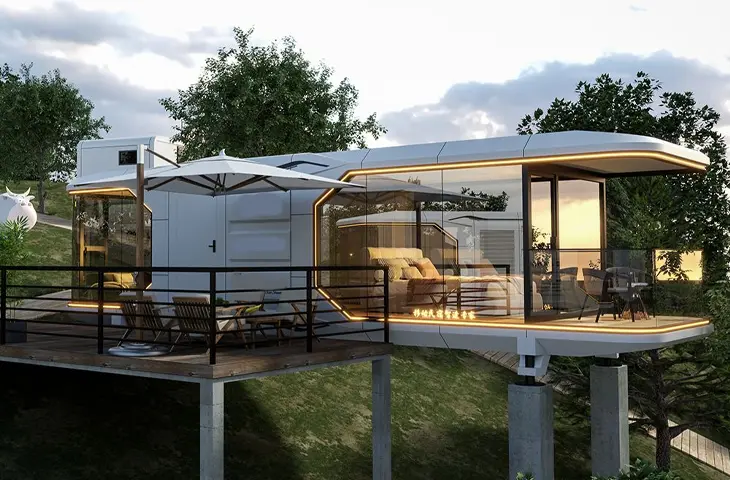
One of the biggest advantages of Chinese glamping pods is their fast and efficient installation process. Unlike traditional construction projects that can take months or even years, modular glamping pods are designed for rapid deployment with minimal on-site disruption.
For resort developers and investors, understanding the installation process is critical for project planning, budgeting, and timeline control.
At PodVoyager, we manufacture pre-engineered glamping pods in Linyi, Shandong, China, and provide global installation guidance to ensure smooth project execution from factory to final setup.
This article breaks down the step-by-step installation process of Chinese glamping pods, including preparation, transportation, assembly, and final commissioning.
Why Installation Process Matters in Glamping Projects
Installation is often underestimated by first-time investors. However, it directly affects:
- Project delivery timeline
- Total budget control
- Structural safety
- Guest experience quality
- Long-term maintenance cost
A well-planned installation process ensures that the glamping resort becomes operational faster and starts generating revenue sooner.
Step 1: Site Assessment and Planning
Before installation begins, a proper site evaluation is essential.
Key factors include:
- Land topography (flat, slope, forest, coastal)
- Soil condition and foundation requirements
- Access for trucks and cranes
- Utility availability (water, electricity, drainage)
- Local building regulations
At this stage, developers typically work with engineers to finalize pod layout and positioning for optimal guest experience and landscape integration.

Step 2: Foundation Preparation
Although glamping pods are modular and lightweight compared to traditional buildings, a stable foundation is still required.
Common foundation types include:
- Concrete slab foundation
- Steel base frame system
- Adjustable pier supports
- Elevated platform structures (for uneven terrain)
The foundation must ensure:
- Structural stability
- Moisture protection
- Level alignment for installation
- Long-term durability
Proper foundation preparation is critical to ensuring smooth installation later.
Step 3: Factory Manufacturing and Pre-Assembly
Unlike traditional construction, Chinese glamping pods are built in controlled factory environments.
At PodVoyager, each pod undergoes:
- Steel frame fabrication
- Wall and insulation installation
- Electrical system pre-wiring
- Interior finishing (depending on model)
- Quality inspection and testing
Pre-assembly significantly reduces on-site construction time and ensures consistent product quality.
Step 4: Transportation and Logistics
Once production is completed, the glamping pods are prepared for shipment.
Transportation methods include:
- Container shipping (flat-pack or modular segments)
- Oversized cargo transport (fully assembled units)
Key logistics considerations:
- Export packaging protection
- Anti-vibration securing systems
- Weatherproof wrapping
- Customs documentation and clearance
Efficient logistics planning ensures the pods arrive at the project site without damage or delays.
Step 5: On-Site Delivery and Positioning
After arrival at the destination site, pods are carefully unloaded using cranes or lifting equipment.
The process includes:
- Safe unloading from trucks or containers
- Precise positioning on prepared foundations
- Alignment and leveling adjustments
- Structural anchoring to foundation base
This step requires careful coordination to avoid surface damage and ensure perfect alignment.
Step 6: Utility Connection (Water, Electricity, and Drainage)
Once the pods are positioned, essential utility systems are connected.
This includes:
Electrical Systems
- Power grid connection or solar integration
- Interior lighting setup
- HVAC system activation
Water Systems
- Clean water supply connection
- Bathroom and kitchen plumbing
- Hot water system installation
Drainage Systems
- Wastewater piping connection
- Environmental drainage compliance
Proper utility integration is essential for full operational readiness.
Step 7: Interior Setup and Final Adjustments
After utilities are connected, final interior work is completed.
Depending on the configuration, this may include:
- Furniture installation
- Mattress and bedding setup
- Smart system activation
- Curtain and lighting adjustments
- Final cleaning and inspection
Luxury glamping pods often include fully pre-installed interiors from the factory, minimizing on-site work.
Step 8: Testing and Quality Inspection
Before opening to guests, a full system check is required.
Inspection includes:
- Structural stability testing
- Electrical system verification
- Plumbing leak checks
- HVAC performance testing
- Smart system functionality test
This ensures the pod is fully operational and safe for commercial use.
Step 9: Handover and Operational Launch
Once all systems pass inspection, the glamping pods are officially ready for use.
Resort operators can begin:
- Guest bookings
- Staff training
- Operational management setup
- Marketing and promotion activities
At this stage, the project transitions from construction to revenue generation.
How Long Does Installation Take?
One of the key advantages of Chinese glamping pods is speed.
Typical timelines:
- Site preparation: 1–3 weeks
- Installation per pod: 1–5 days
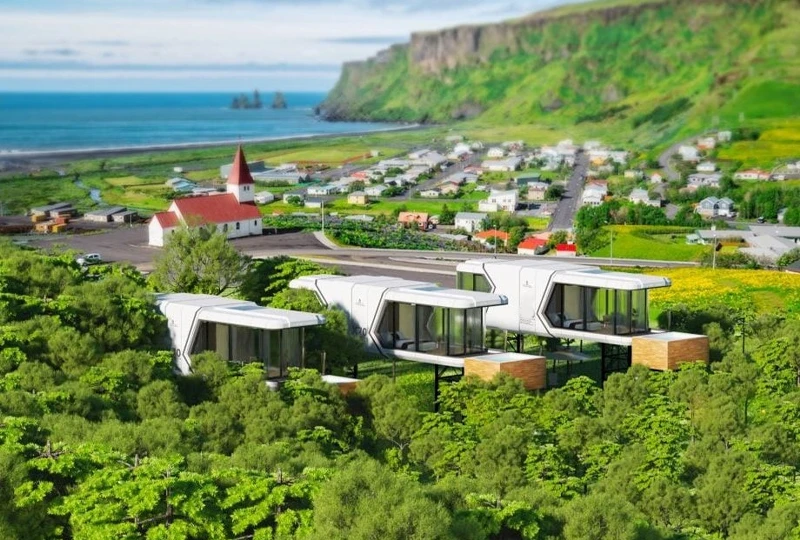
- Full resort setup: 2–8 weeks (depending on scale)
Compared to traditional hotel construction, this represents a massive reduction in time-to-market.
Common Installation Mistakes to Avoid
Many developers encounter issues due to poor planning:
Inadequate site preparation
Leads to leveling issues and delays.
Poor access planning
Heavy equipment may not reach the installation site.
Ignoring utility layout early
Results in costly rework during installation.
Choosing inexperienced suppliers
Leads to unclear instructions and technical difficulties.
Why Work with PodVoyager for Installation Support
As a professional manufacturer based in Linyi, Shandong, China, PodVoyager provides full installation guidance for global glamping projects.
Our support includes:
- Pre-installation technical drawings
- Foundation design guidance
- Logistics coordination
- Remote installation assistance
- Engineering consultation
- After-sales support
We ensure that every glamping pod project is delivered smoothly from factory to final operation.
Conclusion
The installation process of Chinese glamping pods is one of the key reasons why they are becoming the preferred choice for modern resort developments.
With factory prefabrication, simplified on-site assembly, and fast deployment timelines, investors can significantly reduce construction risk and accelerate revenue generation.
When properly planned and executed, a glamping pod project can transition from concept to operational resort in a fraction of the time required for traditional construction.
For professional manufacturing and installation support, explore more at https://podvoyager.com/
