
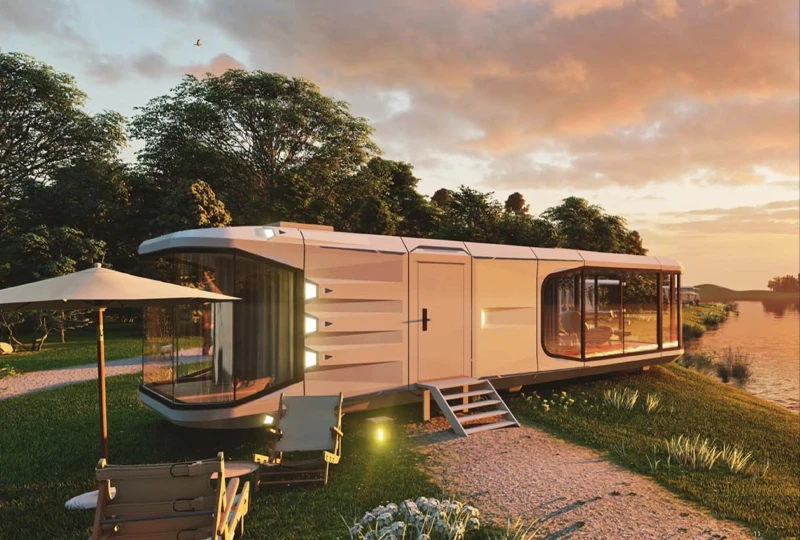
As the world moves toward more flexible, sustainable, and affordable housing solutions, Chinese capsule homes are proving their versatility across various sectors. From tourism and temporary housing to workspaces and emergency shelters, these innovative, compact homes are being utilized in a variety of real-world scenarios. In this article, we explore the real-life applications of capsule homes, provide case studies of their use in different industries, and analyze both the benefits and challenges these homes face in practical scenarios.
1. Capsule Homes in Tourism: Transforming Travel Accommodation
One of the most exciting applications of Chinese capsule homes is in the tourism industry. As the demand for unique and affordable accommodation options continues to grow, capsule homes offer an innovative solution for travelers seeking something beyond traditional hotels or resorts.
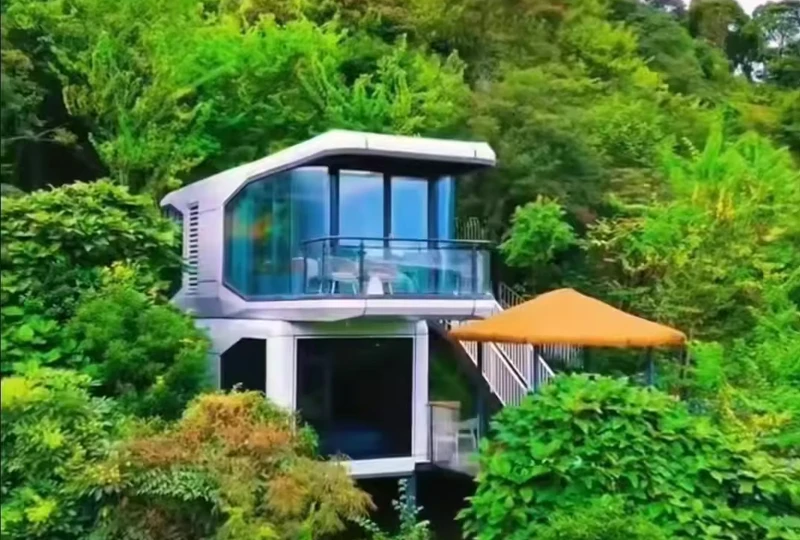
1.1 Glamping and Eco-Resorts
In the glamping sector, capsule homes provide a luxurious yet sustainable alternative to traditional tents and cabins. Their compact size and design flexibility make them ideal for eco-resorts or nature-based tourism where space and environmental impact are crucial considerations.
Case Study: Eco-Luxury Resort in Yunnan, China
An eco-luxury resort in Yunnan province incorporated modular capsule homes as part of its unique accommodation offering. The resort’s guests stay in individual capsules designed with solar panels, rainwater collection systems, and green roofs. The small environmental footprint and efficient use of land helped the resort meet sustainable tourism certifications and cater to travelers looking for a modern yet eco-friendly stay.
Benefits:
- Sustainability: Reduced environmental impact through energy-efficient design and eco-friendly materials.
- Space Efficiency: Optimal use of land in scenic areas with limited space.
- Unique Experience: Provides a memorable and Instagram-worthy experience for travelers.
2. Capsule Homes as Temporary Housing and Emergency Shelters
Another practical application for Chinese capsule homes is in temporary housing. Whether for workers, students, or individuals affected by natural disasters, these compact homes offer quick, cost-effective solutions for short-term living situations.
2.1 Temporary Worker Dormitories
In construction, mining, and large-scale infrastructure projects, temporary housing for workers is a common need. Capsule homes offer a clean, comfortable, and compact solution to house large groups of workers in a remote or temporary setting.
Case Study: Mining Project in Inner Mongolia
A mining company in Inner Mongolia used modular capsule homes to house their workers during a large project. The homes were quick to install and provided workers with basic amenities, including Wi-Fi, air conditioning, and shared kitchen facilities. The installation time was significantly reduced compared to traditional dormitory structures, which allowed the company to stay on schedule.
Benefits:
- Quick Setup: Fast deployment of housing units to remote or temporary sites.
- Cost-Effective: Low cost compared to traditional temporary housing solutions.
- Comfortable Living: High-quality amenities within a compact space.
2.2 Disaster Relief and Emergency Housing
In disaster-stricken areas, where rapid deployment of housing is critical, Chinese capsule homes provide immediate shelter with minimal setup time. These homes can be transported, assembled, and occupied in a fraction of the time it takes to build traditional shelters.
Case Study: Post-Earthquake Housing in Sichuan
Following the devastating 2008 earthquake in Sichuan, capsule homes were used as temporary shelters for displaced families. The homes were delivered to affected areas in under a week, offering families a safe, secure, and comfortable living environment during the reconstruction phase.
Benefits:
- Rapid Deployment: Provides immediate housing in emergency situations.
- Durable and Secure: Designed to withstand harsh weather conditions.
- Cost-Effective: Affordable alternative to tents or traditional temporary housing.
3. Capsule Homes in Urban Areas: Micro-Living and Co-Working Spaces
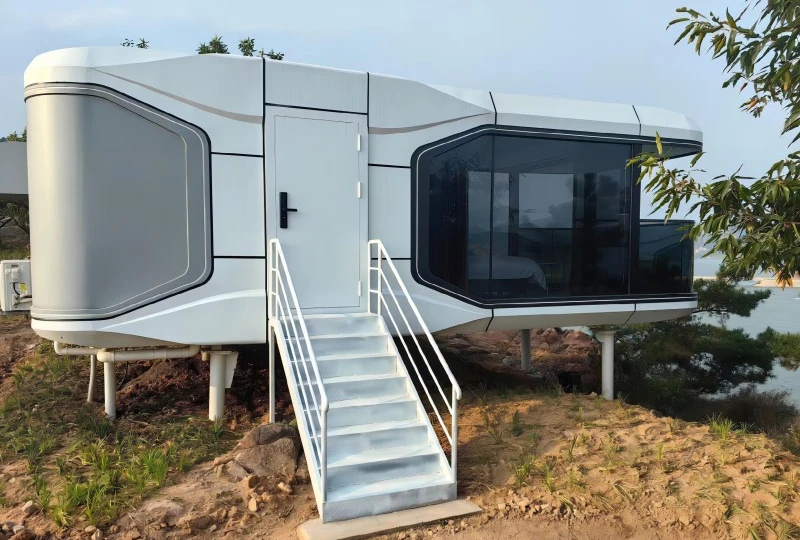
With growing populations in cities and the increasing cost of traditional housing, Chinese capsule homes are being used in urban areas as affordable micro-living spaces. These homes cater to young professionals, students, and digital nomads who seek flexibility and cost-effective living options in major cities.
3.1 Micro-Living Spaces for Urban Dwellers
In crowded cities where housing prices are high, capsule homes offer an affordable alternative for those who prioritize location over size. These homes can be placed in underutilized urban spaces, such as rooftops, backyards, and vacant lots, providing residents with affordable living options close to work or public transport.
Case Study: Rooftop Capsule Living in Beijing
In Beijing, several developers have begun installing capsule homes on the rooftops of apartment buildings to create micro-apartments for rent. These compact units feature basic amenities such as sleeping pods, bathrooms, and kitchenettes. The units are particularly popular with students and young professionals who need affordable housing in a prime location.
Benefits:
- Affordable: A low-cost alternative to traditional urban housing.
- Space Optimization: Utilizes available urban spaces effectively.
- Sustainability: Reduces the need for new, large-scale construction.
3.2 Co-Working and Co-Living Spaces
With the rise of the gig economy and remote work, co-working and co-living spaces are becoming more popular. Capsule homes offer an ideal solution for these spaces, providing private sleeping quarters in a shared, collaborative environment.
Case Study: Capsule Co-Working Spaces in Shanghai
A start-up in Shanghai has converted a floor of a commercial building into a co-living and co-working space using modular capsule homes. Each capsule is designed with a workstation, a sleeping pod, and shared common areas such as kitchens and bathrooms. This setup allows workers to stay in the city with flexible terms and at a fraction of the cost of a traditional apartment.
Benefits:
- Flexibility: Ideal for remote workers or short-term stays.
- Community: Encourages social interaction and networking.
- Affordable: Provides a lower-cost housing option for city dwellers.
4. Challenges and Limitations of Capsule Homes in Real Life
While Chinese capsule homes offer many benefits, there are certain challenges that must be addressed for their continued success and widespread adoption.
4.1 Limited Space
The compact nature of capsule homes means they are best suited for individuals or small groups. However, they may not be ideal for families or those requiring more living space. Modular expansions can address this, but it requires additional planning and investment.
4.2 Zoning and Regulatory Issues
Capsule homes may face regulatory hurdles, particularly when it comes to zoning laws, building codes, and land use restrictions in urban areas. Local governments may have specific regulations regarding the installation of these homes, which could delay deployment.
4.3 Long-Term Durability
While capsule homes are designed to be durable, their long-term performance in various climates and environments is still a topic of ongoing evaluation. Their use in areas with extreme weather conditions or natural disasters may require additional durability enhancements.
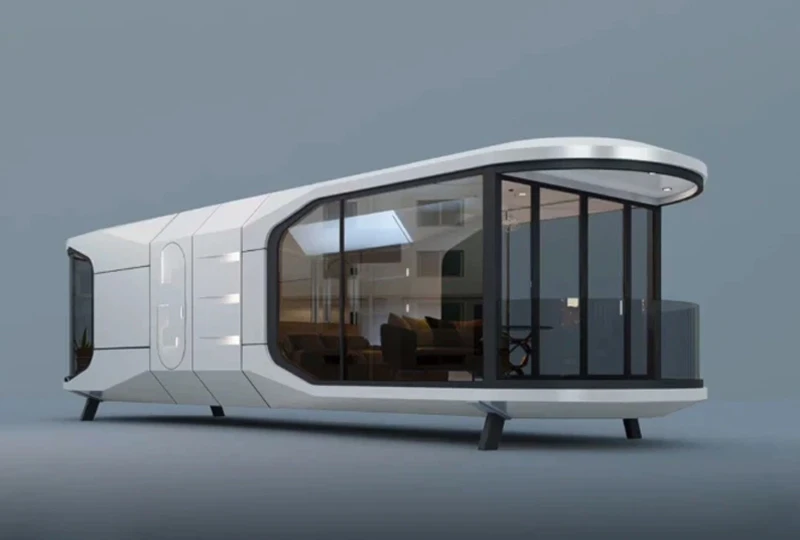
Conclusion: The Future of Capsule Homes in Real Life
Chinese capsule homes are revolutionizing housing and accommodation solutions across various sectors, from tourism and temporary housing to urban living and co-working spaces. They offer a sustainable, cost-effective, and adaptable solution for modern-day challenges, making them a viable option for short-term living, disaster relief, and even long-term urban housing. As the demand for affordable, flexible living continues to rise, capsule homes are poised to play an even bigger role in shaping the future of housing.
If you’re interested in exploring how Chinese capsule homes can be used in your next project or living space, PodVoyager offers innovative, sustainable modular housing solutions for a variety of uses. Contact us today to learn more about how capsule homes can fit your needs.
