

As urbanization continues to rise and space becomes increasingly scarce, innovative housing solutions are emerging to meet the evolving needs of modern society. One such solution that is gaining traction in China and beyond is the Chinese Capsule Home. These compact, modular homes are designed to address the growing demand for affordable, sustainable, and flexible living spaces. In this article, we will explore what Chinese capsule homes are, how they differ from traditional housing, and why they are quickly becoming a popular choice for city dwellers seeking an alternative to conventional homes.
What Are Chinese Capsule Homes?
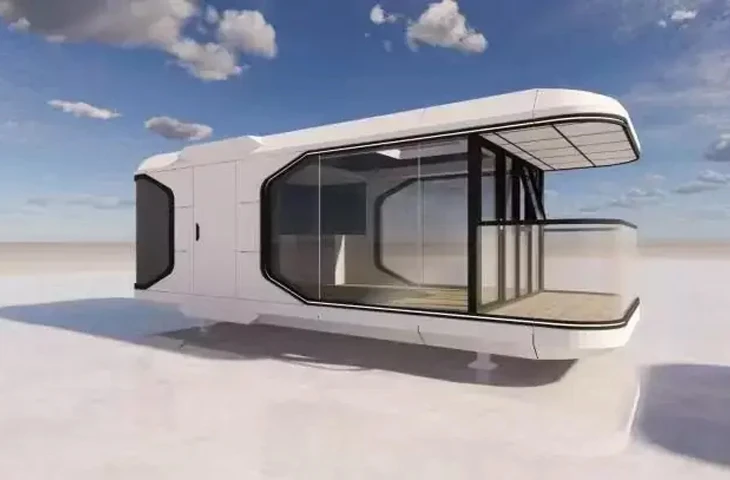
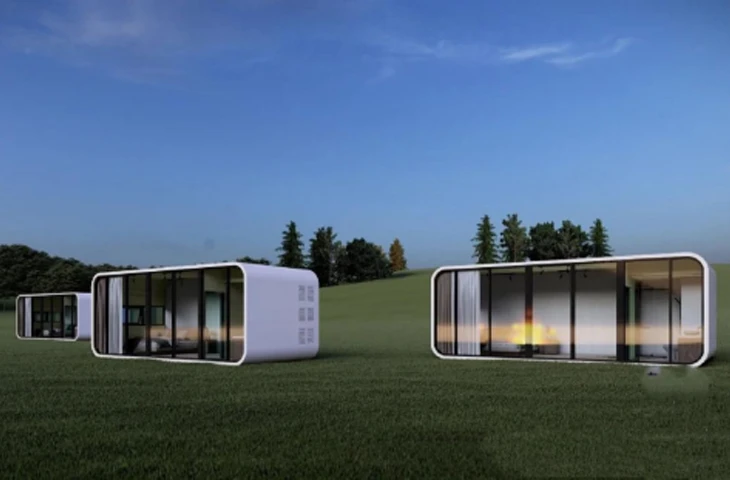
A Chinese Capsule Home is a small, self-contained living space designed with functionality and efficiency in mind. The concept draws inspiration from the minimalist and space-efficient designs of capsule hotels, which are popular in Japan and other parts of Asia. These homes are typically modular, meaning they are made up of individual units that can be expanded or reconfigured depending on the needs of the occupant. Each unit is designed to maximize the use of available space, with multi-functional furniture, compact appliances, and space-saving layouts that ensure comfort without sacrificing practicality.
These homes often feature smart technology such as automated lighting, temperature control, and security systems, which makes them not only space-efficient but also highly convenient for modern living. Many Chinese Capsule Homes are also built with sustainable materials and energy-efficient systems, making them an eco-friendly housing solution for the future.
How Do Chinese Capsule Homes Differ from Traditional Housing?
Chinese capsule homes offer several key differences compared to traditional housing, especially in terms of size, cost, and flexibility.
1. Size and Space Efficiency
- Traditional Housing: Traditional homes in cities like Beijing, Shanghai, or Shenzhen typically require significant space, both for the house itself and for the surrounding land. The cost of land is high, and the construction process is time-consuming and resource-intensive.
- Chinese Capsule Homes: In contrast, Chinese Capsule Homes are designed to be compact, often no larger than 10 to 20 square meters. These homes are highly efficient in their use of space, incorporating foldable furniture, modular walls, and multi-functional designs that allow occupants to have everything they need in a much smaller footprint. This makes them an ideal solution for individuals or families living in crowded urban environments, where space is limited.
2. Affordability
- Traditional Housing: The cost of purchasing or renting a traditional home, especially in major Chinese cities, is often prohibitive for young people, students, or low-income workers. High property prices and monthly rents can make it difficult for many people to find suitable housing within their budget.
- Chinese Capsule Homes: Chinese capsule homes are significantly more affordable. The smaller size and modular construction mean lower construction costs, which translates into more affordable housing options for a broader range of people. Additionally, the cost of maintenance is much lower due to the efficient use of space and materials, further reducing the financial burden on residents.
3. Flexibility and Mobility
- Traditional Housing: Traditional homes are fixed in place, requiring long-term commitments in terms of both time and money. Moving to a new home often involves a complicated and costly process, especially in highly urbanized areas.
- Chinese Capsule Homes: One of the standout features of Chinese Capsule Homes is their modular and often portable design. These homes can be relocated with relative ease, making them a great option for people who need flexibility. Whether it’s for a temporary living situation, remote work, or a mobile lifestyle, these homes provide a level of adaptability that traditional housing cannot.
Why Are Chinese Capsule Homes Ideal for Modern Living?
1. Sustainability
As environmental concerns become more urgent, Chinese Capsule Homes offer a sustainable alternative to traditional housing. Many of these homes are built using eco-friendly materials, such as recycled steel and bamboo, which minimize their environmental impact. Additionally, capsule homes are designed to be energy-efficient, with features like solar panels, rainwater harvesting, and high-performance insulation that reduce energy consumption and lower carbon footprints.
2. Affordability
With housing prices continuing to rise in China’s most densely populated cities, Chinese Capsule Homes provide an affordable option for those looking to live independently. Whether for young professionals just starting out, retirees, or families on a budget, the affordable cost of capsule homes makes them accessible to a wider demographic, promoting inclusive housing in urban centers.
3. A Flexible and Minimalist Lifestyle
The minimalist design of Chinese Capsule Homes encourages residents to embrace a simplified lifestyle, focusing on essentials rather than excess. With efficient layouts and multi-purpose furniture, these homes help people live with less and prioritize functionality over unnecessary luxury. The compact nature of these homes also encourages a sense of community, as residents are likely to spend more time outside their homes and in shared spaces within their urban environment.
A Brief History of Chinese Capsule Homes
The idea of Chinese Capsule Homes has evolved alongside the rapid growth of urbanization in China. As more people flock to cities in search of work and opportunities, the demand for affordable, flexible housing solutions has grown. The traditional housing market has struggled to keep up with the needs of the population, leading to overcrowded neighborhoods and rising property costs.
The concept of modular housing gained traction in the early 2000s, as China’s real estate market became increasingly focused on high-density urban development. Initially, capsule homes were seen as a solution to temporary housing needs for workers or travelers, much like their Japanese counterparts in the form of capsule hotels. However, as technology improved and design practices became more innovative, capsule homes began to evolve into full-fledged living spaces, offering long-term solutions for residents in cities across China.
The Future of Chinese Capsule Homes
As urban populations continue to grow and housing prices remain high, Chinese Capsule Homes are poised to play an increasingly important role in shaping the future of urban living. With ongoing advancements in design and construction technology, these homes will continue to evolve to meet the needs of modern society. In the coming years, we can expect even more innovation in the areas of sustainability, smart home technology, and mobility.
For those looking for affordable, sustainable, and flexible housing solutions in China’s bustling cities, Chinese Capsule Homes represent the future of modern living.
Conclusion
Chinese Capsule Homes provide an innovative, affordable, and sustainable solution to the housing challenges facing modern urban dwellers. With their efficient use of space, flexibility, and eco-friendly design, these homes are changing the way people live, especially in rapidly growing cities where space and resources are limited. As the demand for affordable housing continues to rise, Chinese Capsule Homes are likely to become a key component of the future of urban living.
Are you interested in learning more about Chinese Capsule Homes and how they could fit into your lifestyle? Contact PodVoyager today to explore our range of modular, eco-friendly housing solutions. Let us help you find the perfect home for modern living!
