
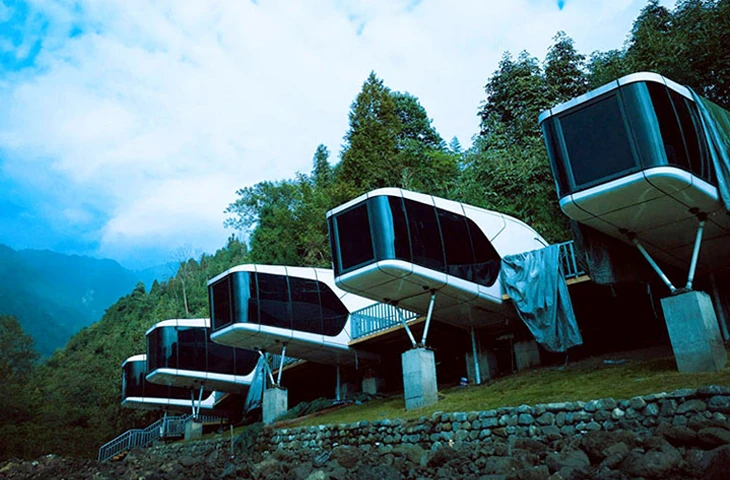
As cities continue to grow and environmental pressures increase, the global construction industry is being forced to rethink how homes are designed, built, and used. In China, where urban density and resource efficiency are critical concerns, Chinese capsule homes are emerging as a practical and scalable answer. Far more than a compact living trend, these homes represent a shift toward sustainable capsule homes and eco-friendly housing in China, offering real environmental benefits across their entire life cycle.
This article explores how Chinese capsule homes support sustainable construction, reduce environmental impact, and contribute to the long-term vision of green homes and future-ready cities.
Sustainable Construction: Rethinking How Homes Are Built
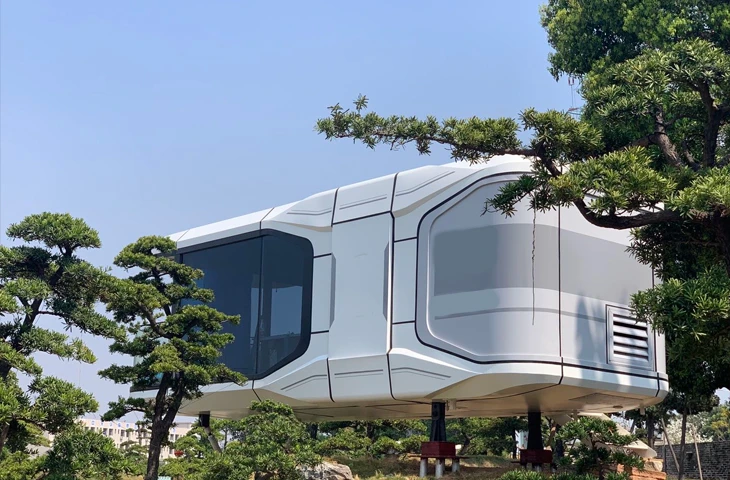
One of the biggest environmental challenges in traditional housing is construction itself. Conventional buildings require large quantities of raw materials, long construction timelines, and generate significant waste. Chinese capsule homes approach this problem differently from the very beginning.
Eco-Friendly Materials and Responsible Sourcing
Most modern capsule homes in China are built using lightweight steel structures, aluminum frames, and engineered composite panels, which offer high strength with lower material consumption. Compared to concrete-heavy traditional buildings, these materials:
- Require less energy to manufacture
- Are easier to recycle or reuse
- Reduce structural weight and transportation emissions
Interior finishes increasingly favor low-VOC panels, non-toxic insulation, and formaldehyde-free surfaces, improving both environmental performance and indoor air quality. This aligns closely with China’s broader push toward eco-friendly housing standards and healthier living environments.
Factory-Based Modular Production
A defining feature of sustainable capsule homes is their factory-prefabricated construction. Instead of building entirely on-site, most components are produced in controlled manufacturing environments. This approach:
- Minimizes material waste
- Reduces construction noise and dust pollution
- Improves quality consistency
- Shortens build cycles dramatically
From a sustainability perspective, modular production is one of the most effective ways to reduce the environmental footprint of housing at scale.
Energy Efficiency and Low-Consumption Living
Sustainability is not only about how a home is built, but also how it performs over time. Chinese capsule homes are designed to consume fewer resources throughout daily use.
Smart Energy-Saving Design
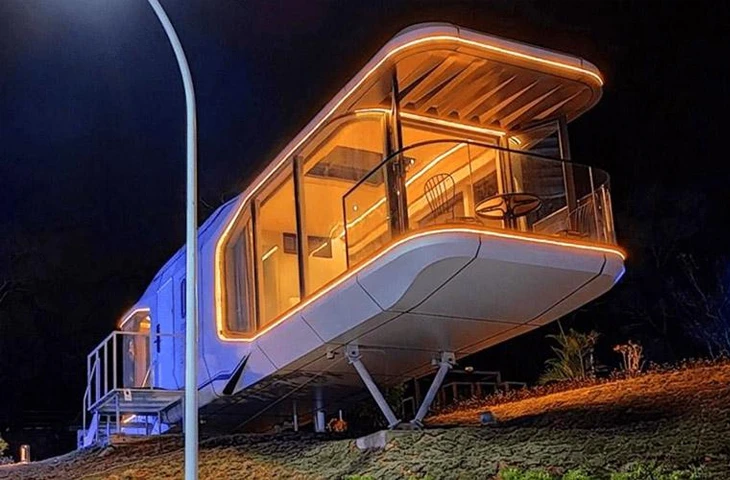
Thanks to their compact size, capsule homes naturally require less energy for heating, cooling, and lighting. This efficiency is further enhanced through:
- High-performance thermal insulation
- Double-glazed windows
- LED lighting systems
- Smart climate control
Many capsule homes integrate intelligent systems that automatically adjust lighting, temperature, and power usage based on occupancy. These smart controls significantly reduce unnecessary energy consumption, making them ideal green homes for modern urban living.
Renewable Energy Integration
In off-grid or semi-urban applications, capsule homes can be equipped with:
- Solar panels
- Energy storage systems
- Low-energy ventilation units
These features allow capsule homes to operate with minimal reliance on external energy sources, especially in tourism, eco-resort, or remote work scenarios. As a result, they are increasingly seen as a realistic model for low-carbon housing.
Reducing Carbon Footprint Across the Entire Lifecycle
When evaluating sustainability, it’s important to look beyond materials and focus on the full lifecycle impact of a home—from production to operation and even relocation.
Lower Construction and Transportation Emissions
Because capsule homes are modular and compact, they require fewer transport trips and lighter logistics compared to traditional buildings. In many cases, multiple units can be shipped efficiently using standard containers, reducing fuel consumption and emissions.
Additionally, faster installation means fewer construction vehicles on-site and less disruption to surrounding communities.
Reuse, Relocation, and Adaptability
Unlike permanent concrete structures, Chinese capsule homes can be:
- Relocated to new sites
- Repurposed for different uses
- Upgraded or reconfigured without demolition
This adaptability significantly extends the usable lifespan of the structure and avoids the environmental cost of demolition and rebuilding. From a sustainability standpoint, this flexibility is one of the strongest arguments in favor of capsule housing.
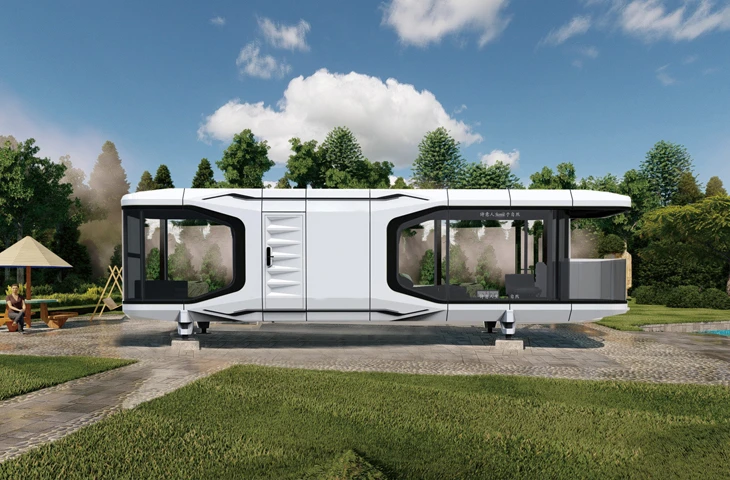
Supporting China’s Green Building Movement
China has made sustainability a national priority, particularly in urban development. Policies promoting green buildings, energy efficiency, and reduced carbon emissions have accelerated innovation in housing design.
Chinese capsule homes fit naturally into this policy direction because they:
- Support high-density urban planning
- Reduce land and resource consumption
- Enable faster deployment of eco-friendly housing
As cities seek scalable solutions to housing shortages without increasing environmental pressure, capsule homes offer a balance between efficiency, affordability, and sustainability.
The Role of Capsule Homes in Future Sustainable Cities
Looking ahead, capsule homes are not a temporary trend—they are a structural response to global urban and environmental challenges.
In future cities, sustainable capsule homes are likely to play key roles in:
- Urban infill projects
- Temporary and transitional housing
- Eco-tourism and low-impact developments
- Smart city residential zones
By combining modular design, smart technology, and eco-conscious materials, capsule homes help redefine what green homes can look like in dense urban environments.
Conclusion: A Practical Path Toward Green Urban Living
The environmental value of Chinese capsule homes goes far beyond their small size. Through sustainable materials, energy-efficient design, modular construction, and long-term adaptability, they offer a realistic and scalable model for eco-friendly housing in China and beyond.
As cities worldwide search for ways to grow responsibly, capsule homes demonstrate that sustainability, affordability, and modern living do not have to be in conflict. Instead, they can work together to shape a more resilient and environmentally responsible future.
If you are exploring sustainable capsule homes or looking for innovative green housing solutions, PodVoyager offers modular capsule homes designed with environmental performance, smart systems, and long-term adaptability in mind. Contact us to learn how capsule living can support your sustainability goals.
