
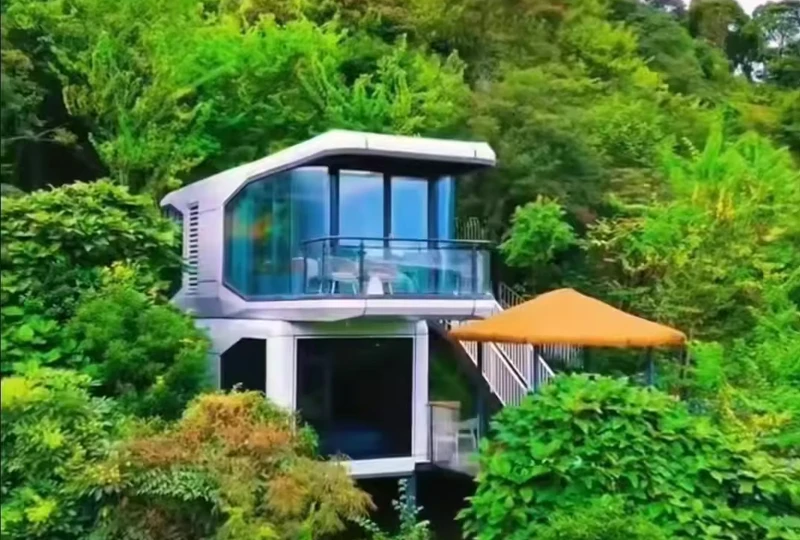
Capsule homes are quickly becoming a sought-after solution for affordable, sustainable, and efficient housing. Chinese capsule homes, known for their compact design, modularity, and eco-friendly features, have gained popularity around the world. If you’re interested in building your own capsule home, whether for personal use or as a business investment, this step-by-step guide will walk you through the entire construction process. From design and material selection to modular assembly, we will cover everything you need to know to get started with your own DIY capsule home project.
1. Understanding the Concept of a Capsule Home
Before diving into the construction process, it’s important to understand what a capsule home is and why it’s gaining traction.
- Compact Living Space: Typically, capsule homes are small, self-contained units designed for single occupancy or small families. They offer essential amenities like sleeping areas, bathrooms, kitchenettes, and sometimes even smart home features.
- Modular Design: Capsule homes are often modular, meaning they can be easily assembled and customized to fit different spaces and needs. This flexibility is a major benefit for urban living, eco-tourism, and even disaster relief housing.
2. Design and Planning Phase
Designing your Chinese capsule home is the first step toward making your dream a reality. The design phase involves deciding on the layout, size, and specific features that suit your needs.
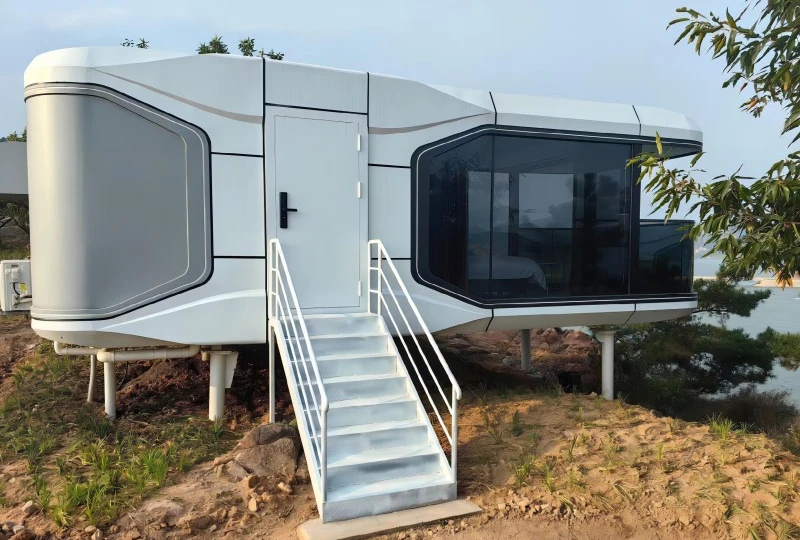
2.1 Size and Layout Options
- Compact Units: Most capsule homes are designed to be small, ranging from 10 to 30 square meters. Consider the space you need for daily living, storage, and comfort.
- Modular or Expandable: Some capsule homes allow for future expansion by connecting multiple units, which is ideal if you plan to grow the space over time or need more flexibility.
Pro Tip: Start small and optimize space with multi-functional furniture like foldable tables, convertible sofas, and built-in storage.
2.2 Functional Areas
A basic capsule home usually includes:
- Sleeping Pod: A compact sleeping area with a comfortable mattress, often with integrated lighting.
- Bathroom: Compact but functional, usually consisting of a shower, toilet, and sink.
- Living Area: A multi-purpose space for cooking, eating, and relaxing.
3. Materials and Components for Building a Capsule Home
Choosing the right materials is critical for cost efficiency and long-term durability. Below are some materials commonly used for Chinese capsule home construction:
3.1 Structure and Framework
- Steel Frames: Many capsule homes use lightweight steel frames that are both strong and cost-effective. Steel is an excellent choice for modular housing because it is easy to work with and can be prefabricated in a factory setting.
- Wooden Panels: For more eco-friendly designs, bamboo or recycled wood panels can be used for the walls and flooring.
3.2 Insulation and Weatherproofing
- EPS Insulation Panels: EPS (expanded polystyrene) insulation is commonly used for energy-efficient buildings and capsule homes. It’s lightweight, easy to install, and helps maintain comfortable indoor temperatures.
- Waterproof Membranes: Use waterproof membranes for the roof and weather-resistant coatings for the exterior to ensure that the home can withstand varying environmental conditions.
3.3 Interior and Finishes
- Eco-Friendly Materials: Consider using natural and sustainable materials, such as bamboo flooring, recycled tiles, and low-VOC paints, for a healthier living environment.
- Modular Furniture: Invest in furniture that is designed for small spaces, like fold-out tables, stackable chairs, and built-in storage solutions.
4. Step-by-Step Guide to Building a Chinese Capsule Home
Once you’ve settled on a design and selected your materials, it’s time to start building your capsule home. Here’s a breakdown of the typical construction process:
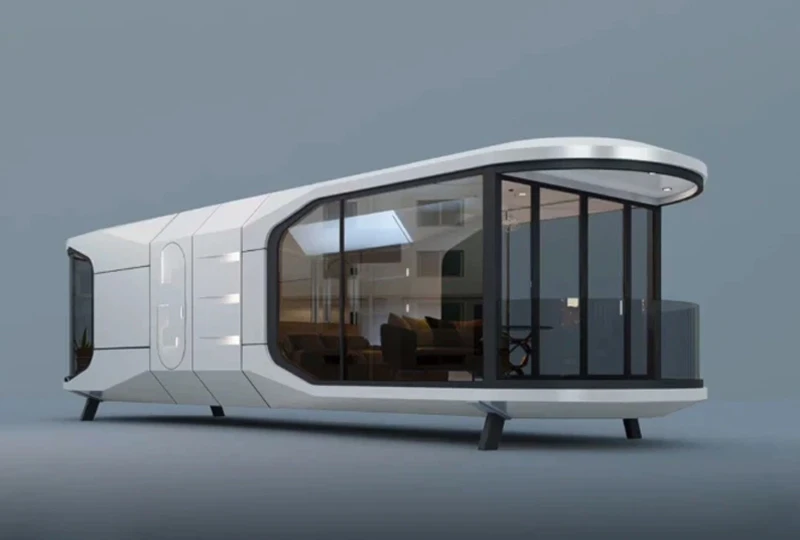
4.1 Foundation and Site Preparation
- Choose Your Site: The first step in building any home is selecting the right location. Make sure you have access to utilities like electricity, water, and sewage, or plan for off-grid living.
- Lay the Foundation: A concrete slab or lightweight foundation is usually sufficient for a capsule home. This should be level and solid to ensure the stability of your home.
4.2 Constructing the Frame
- Steel Frame Assembly: Start by assembling the steel frame of your capsule home. Depending on your design, the frame may consist of pre-manufactured components that are bolted together on-site.
- Wall and Floor Panels: Once the frame is in place, attach the wall panels and flooring to form the base of your capsule home. If you’re using pre-fabricated panels, this step can be completed relatively quickly.
4.3 Installing Insulation and Roof
- Install Insulation: Apply EPS insulation or polyurethane boards to the walls and ceiling to ensure the home is energy-efficient and comfortable.
- Roofing: Install weatherproof roofing materials such as corrugated metal sheets or eco-friendly tiles. Make sure that the roof is well-sealed to prevent water leaks.
4.4 Interior Finishes
- Walls and Flooring: Install the interior wall finishes and flooring, whether it’s bamboo, recycled wood, or eco-friendly tiles.
- Plumbing and Electrical: Set up your water system (shower, sink, toilet) and install electricity wiring for lighting, outlets, and appliances. Don’t forget to integrate any smart home systems for energy control.
- Furniture and Appliances: Finally, furnish your capsule home with compact, multi-functional furniture and essential appliances like a mini-fridge, portable stove, and foldable table.
4.5 Final Touches
- Paint and Decor: Give your capsule home a fresh coat of paint and decorate it to suit your style. You may want to use light colors to make the small space feel larger and airier.
- Safety Check: Ensure everything is up to code and conduct a safety check on electrical, plumbing, and structural components before moving in.
5. Modular and Prefabricated Components: Lowering Costs and Construction Time
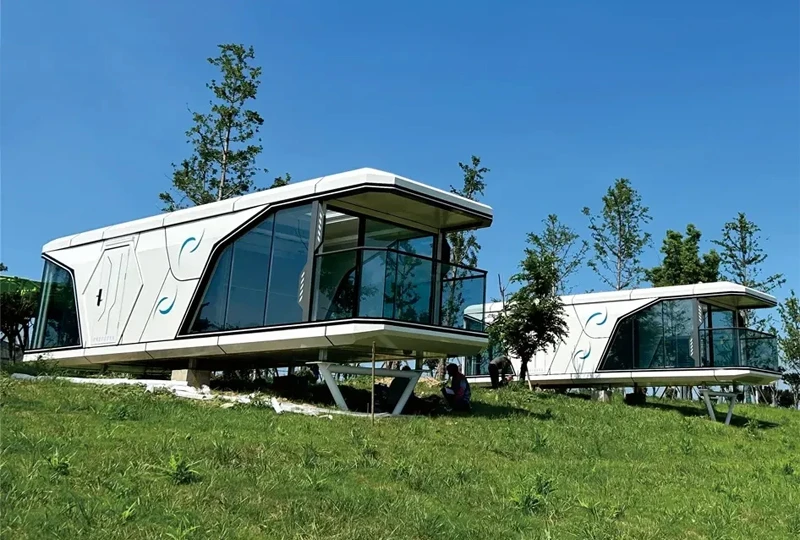
One of the greatest advantages of building a Chinese capsule home is the ability to use modular and prefabricated components. These pre-made elements significantly reduce the amount of time and labor required for construction. Here are some benefits of using modular design:
- Faster Build Time: Since the components are pre-fabricated in a factory, you can avoid long waiting times associated with traditional construction methods. This makes your capsule home ready to move in much faster.
- Lower Labor Costs: Modular homes require fewer skilled laborers on-site, as much of the assembly work can be done with basic tools.
- Customization: Modular components can be easily swapped or replaced, allowing you to customize your home to fit your needs as you go.
6. Tips and Practical Advice for Building Your Capsule Home
6.1 Planning for Future Expansion
If you think you may need more space later on, design your capsule home with expansion in mind. Modular designs make it easy to add extra units or features as your needs evolve.
6.2 Budgeting Wisely
Building a capsule home can be an affordable alternative to traditional housing, but it’s still important to budget carefully. Include costs for foundation work, materials, labor, permits, and any additional features such as solar panels or custom interiors.
6.3 Research Local Zoning and Permits
Before beginning construction, check with your local authorities about any zoning laws or building codes that may apply to your capsule home. Some areas have strict regulations regarding alternative housing types, so it’s important to ensure your project is compliant.
Conclusion: The Future of DIY Capsule Homes
Building a Chinese capsule home is an exciting and rewarding project, offering a flexible, sustainable, and cost-effective housing solution. With the right design, materials, and modular components, you can create a compact living space that meets your needs while minimizing environmental impact. Whether you choose to build your capsule home for personal use, temporary housing, or as a business investment, this growing trend is an excellent way to embrace modern, efficient living.
If you’re ready to start your own DIY capsule home project or are interested in learning more about modular home construction, PodVoyager offers professional consultation and design services to help bring your vision to life. Contact us today to get started!
