
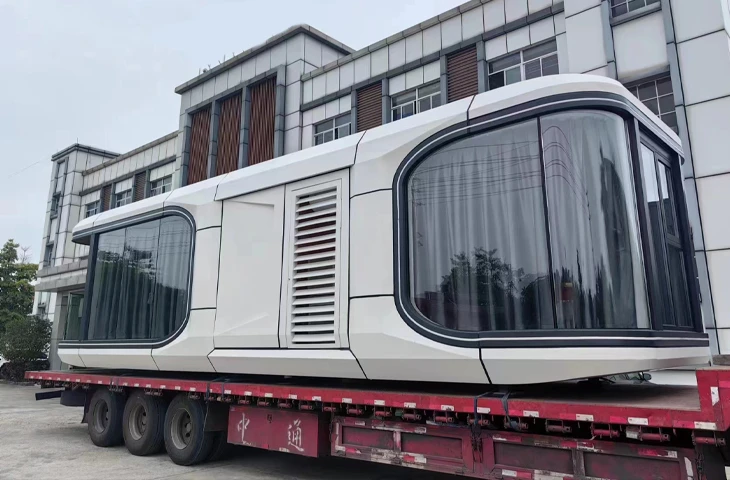
As the demand for affordable, sustainable, and flexible housing solutions grows, Chinese Capsule Homes have emerged as an innovative alternative to traditional housing. These compact, modular homes are designed to address urban housing shortages, offering a space-efficient living solution at a lower cost. However, one of the key questions potential buyers and investors may have is: Is it worth the investment? In this article, we will break down the cost of capsule homes, compare them to traditional housing, and explore their potential as both a personal investment and a commercial opportunity.
Breaking Down the Cost of Chinese Capsule Homes
When evaluating the cost of capsule homes, it’s important to consider all the factors involved, including construction costs, installation costs, and maintenance costs. While Chinese Capsule Homes are often seen as more affordable than traditional housing, the overall cost can vary depending on several factors, such as the materials used, the size of the home, and additional customizations.
1. Construction Costs
- Modular Construction: Chinese Capsule Homes are built using modular construction techniques, which significantly reduce the time and labor required for construction compared to traditional housing. Modular components are prefabricated in factories, which results in lower production costs and fewer on-site labor expenses.
- Affordable Materials: Capsule homes are typically made from sustainable materials such as recycled steel, bamboo, and wood composite panels. These materials are not only eco-friendly but also cost-effective, contributing to the overall lower price of the home.
- Size and Customization: The size of a capsule home is a major factor in determining its cost. Most capsule homes are designed to be compact, with smaller footprints than traditional homes, which naturally lowers their construction cost. Additionally, customization options—such as the choice of interior finishes or added features like smart home technology—can influence the final price.
On average, the construction cost of a Chinese capsule home is significantly lower than that of a traditional home, making it an affordable option for those seeking alternative living solutions in crowded urban areas.
2. Installation Costs
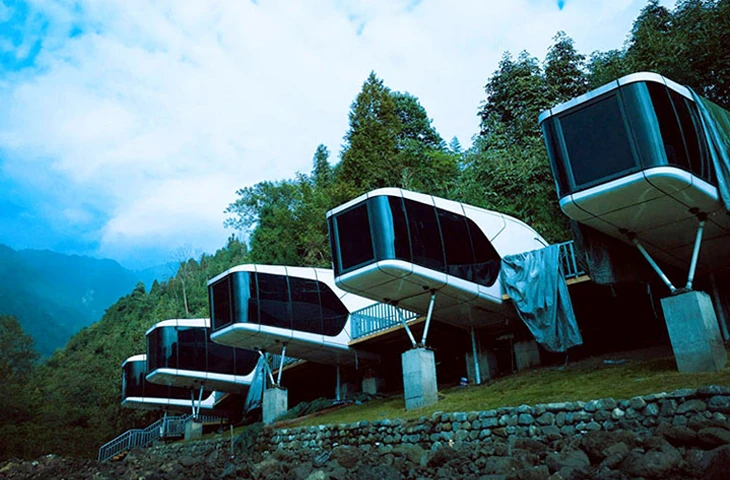
- Fast Installation: One of the key advantages of Chinese Capsule Homes is the relatively low installation cost. Since these homes are prefabricated, the installation process is quick and requires less labor compared to traditional housing construction. Many capsule homes can be assembled in just a few days, saving both time and money.
- Infrastructure Needs: While the installation process is simple, the home will still require some basic infrastructure, such as plumbing, electricity, and internet connectivity. Depending on the location and the level of infrastructure already in place, these costs may vary.
Overall, installation costs for capsule homes are much lower than traditional construction, which requires extensive groundwork and permits. The quick setup and minimal site preparation make them a cost-effective housing solution.
3. Maintenance Costs
- Lower Maintenance: Since Chinese Capsule Homes are smaller in size and use modular, efficient designs, their maintenance costs tend to be lower than those of traditional homes. There are fewer materials and components to maintain, and the efficient design means less wear and tear on essential systems like plumbing and electrical.
- Energy Efficiency: Capsule homes are often built with energy-efficient features, such as solar panels, high-performance insulation, and smart systems that reduce the home’s energy consumption. This makes the long-term maintenance costs even lower, as residents can expect reduced utility bills compared to traditional homes.
Because of their modular structure and space-efficient design, maintenance costs for Chinese Capsule Homes are significantly lower, adding to their appeal as an affordable housing option.
Comparison: Capsule Homes vs Traditional Housing
To better understand the value proposition of Chinese Capsule Homes, let’s compare the costs to traditional housing.
1. Initial Purchase Price
- Traditional Housing: In cities like Beijing, Shanghai, and Shenzhen, the cost of traditional housing has skyrocketed, making it increasingly difficult for young professionals, students, and low-income families to afford a place to live. For example, a 50-70 square meter apartment in these cities can easily cost several hundred thousand dollars (or more), especially in prime locations.
- Chinese Capsule Homes: A Chinese Capsule Home typically costs a fraction of that price. The modular nature of the design and the use of affordable materials keep the overall cost low. While the exact price will vary based on size and customization, capsule homes are generally 3-4 times less expensive than traditional housing in major urban areas.
2. Long-Term Investment and Return on Investment (ROI)
- Traditional Housing: Traditional homes in major cities often appreciate in value over time, making them a potentially profitable long-term investment. However, the initial cost is high, and maintenance and property taxes can be burdensome for homeowners.
- Chinese Capsule Homes: Although Chinese Capsule Homes may not appreciate as rapidly as traditional housing, they are still a worthwhile investment, especially for those seeking an affordable home. With lower upfront costs and reduced maintenance expenses, these homes provide a higher ROI in the short term. Additionally, the growing popularity of modular homes and sustainable living solutions could drive demand for capsule homes, increasing their long-term value.
For buyers who prioritize affordability and low maintenance costs, Chinese Capsule Homes offer an attractive investment opportunity with a solid ROI.
Capsule Homes in the Rental and Short-Term Accommodation Market
Beyond individual ownership, Chinese Capsule Homes also present a promising opportunity in the rental and short-term accommodation markets.
1. Rental Market Potential
- Affordable Housing Rentals: With the high cost of rent in major cities, many urban dwellers are turning to Chinese Capsule Homes as an affordable alternative. These homes can be rented out for a fraction of the price of a traditional apartment, making them an attractive option for students, young professionals, or low-income families. Landlords can take advantage of the growing demand for affordable living spaces in urban areas, benefiting from a consistent rental income.
- Scalable Rental Business: Investors could build entire communities of Chinese Capsule Homes and offer them as rental units. The modular design allows these communities to be expanded as demand grows, making it a scalable investment opportunity for those in the rental market.
2. Short-Term Accommodation Business Opportunities
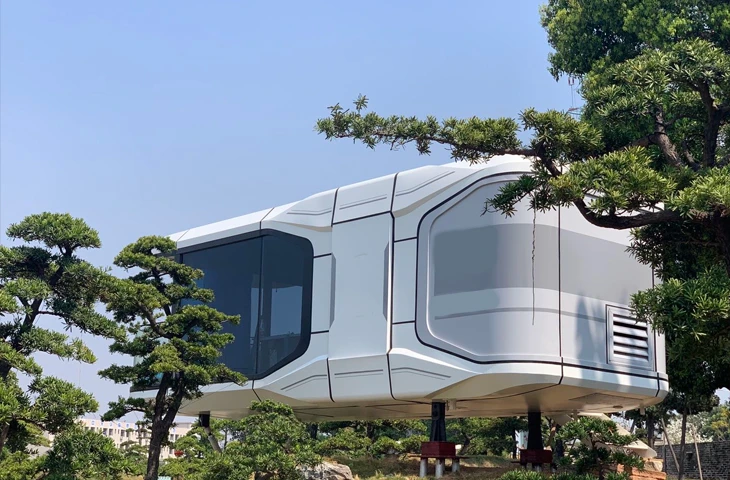
- Tourism and Temporary Living: In addition to long-term rentals, Chinese Capsule Homes are an excellent choice for short-term accommodations. With their compact size and cost-effectiveness, they make great options for temporary housing in tourist destinations or for construction workers, event guests, or travelers. Their flexibility and ease of installation allow them to be set up quickly in various locations, making them a great choice for temporary living arrangements.
- Commercial Ventures: Business owners can set up capsule home hotels or co-living spaces that cater to budget-conscious travelers or those seeking short-term rentals. The ability to offer affordable yet comfortable accommodation in high-demand urban areas presents a lucrative business opportunity.
Conclusion: Is the Cost of Chinese Capsule Homes Worth the Investment?
In conclusion, Chinese Capsule Homes offer an affordable, flexible, and sustainable solution to the growing housing challenges faced by urban dwellers. With their low construction and maintenance costs, as well as the potential for high ROI, these homes are an attractive investment, whether for personal ownership or as a rental property. They also present opportunities in the short-term accommodation market, making them a versatile choice for investors looking to capitalize on the growing demand for affordable housing.
If you are looking for a cost-effective housing solution, whether for yourself or as an investment opportunity, Chinese Capsule Homes offer a promising option that is both affordable and future-proof.
Interested in learning more about the investment potential of Chinese Capsule Homes? Contact PodVoyager today to discover our range of affordable, modular, and sustainable housing solutions. Let us help you make a smart investment for the future of urban living.
